
Wastewater tanks & collection pits 900 to 5000 litres · Monobloc · Twinbloc · Round · PLUS – from Roth
Underground plastic collection pits and sewage tanks from Roth for collecting wastewater, rainwater and sewage – as a watertight replacement for conventional small sewage-treatment plants and seepage pits without a sewer connection. In four designs: Monobloc (one-piece, 900 L), Twinbloc (two-piece, 1500–5000 L), Round (2000–3000 L) and PLUS (optimised rectangular shape, 2000–3000 L). All including shaft and cover.
Monobloc & Twinbloc – one-piece & two-piece
The Monobloc (900 L) is a one-piece tank for smaller installations. The Twinbloc design (1500–5000 L) consists of two half-shells that are assembled on site – this allows transport through narrow access routes and doors that a one-piece container of this size would not pass through. Both designs are fully buried.
Round & PLUS – classic & optimised
The round sewage tanks (2000–3000 L) offer particularly good pressure distribution in the ground thanks to their cylindrical shape and are robust against soil pressure. The PLUS design is rectangular-optimised and uses the soil volume particularly efficiently at a lower installation depth. Both variants are installed fully below ground level.
Shaft size – DN 200, DN 300 or DN 600
The dome shaft is the access to the tank for emptying, inspection and maintenance. DN 200 is a small access shaft for pumps and hoses. DN 300 offers somewhat more access size. DN 600 is a large shaft – walk-in if required or for convenient pump and tool access. The shaft height can be individually shortened and adapted to the installation depth.
What are collection pits used for?
Collection pits and wastewater tanks are used where there is no connection to the public sewer system – on farms, weekend homes, construction sites and in remote operations. They collect dirty water and sewage tightly, which is then emptied regularly by suction tanker. As closed systems, they are a watertight alternative to seepage-capable installations.
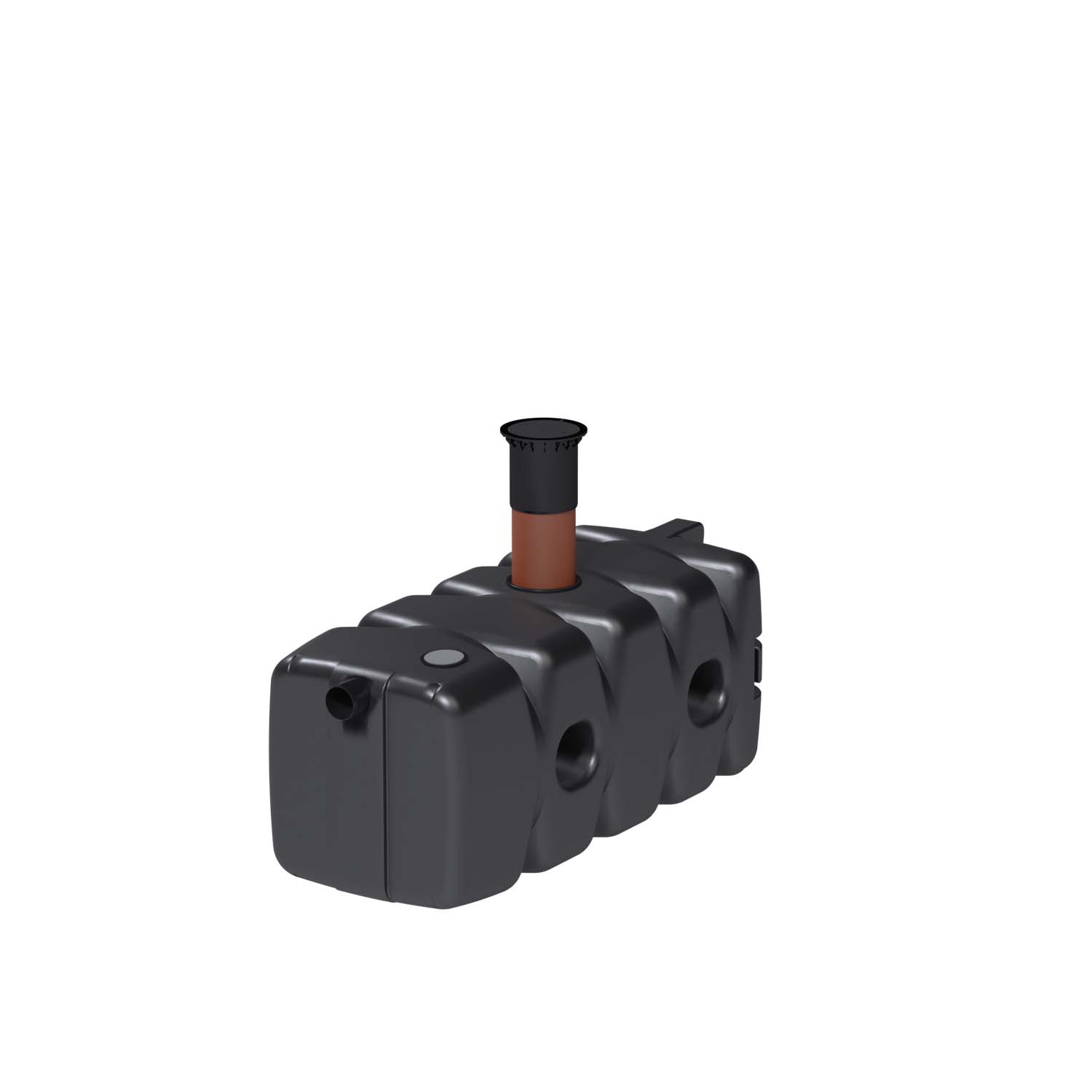
Collection Tank Monobloc 900 Liter with DN 200 Shaft and Lid by Roth
- Nominal capacity: 900 litres
- Dimensions (L x W x H): 1910 x 780 x 780 mm (without shaft)
- Empty weight: 66 kg
- Closed collection pit with DIBt approval made of PE
- DN 100 inlet connection
Delivery time: 2-5 days
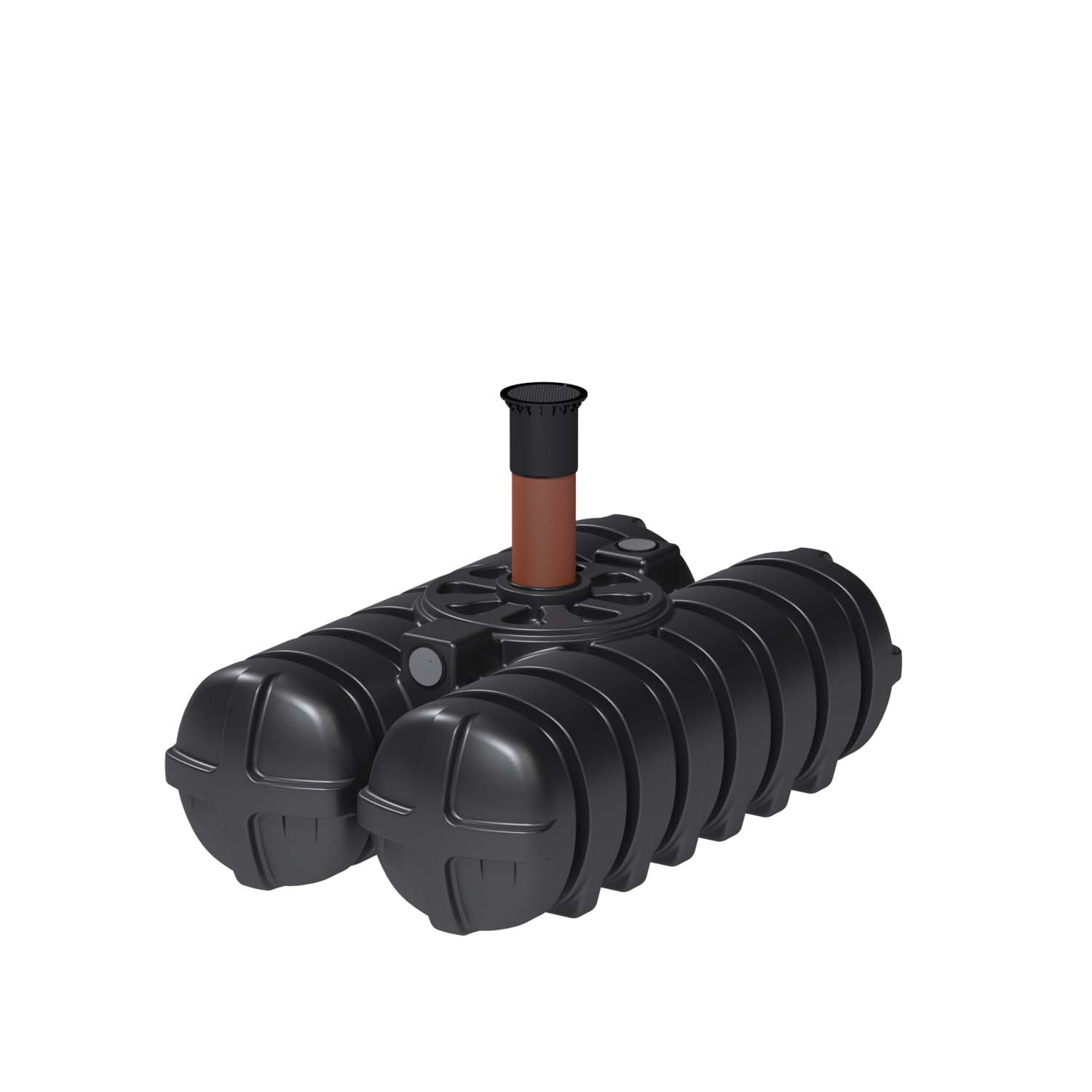
Collection Pit Twinbloc 1500 Liter with Shaft DN 200 or 600 and Lid by Roth
- Nominal capacity: 1500 litres
- Dimensions (L x W x H): 2350 x 1395 x 675 mm (without shaft)
- Empty weight: 85 kg
- Closed collection pit with DIBt approval made of PE
- DN 100 inlet connection
Delivery time: 2-5 days

Roth 2000 Liter PLUS Holding Tank – Sealed Wastewater Tank with DIBt Approval
Delivery time: 5-10 Tage
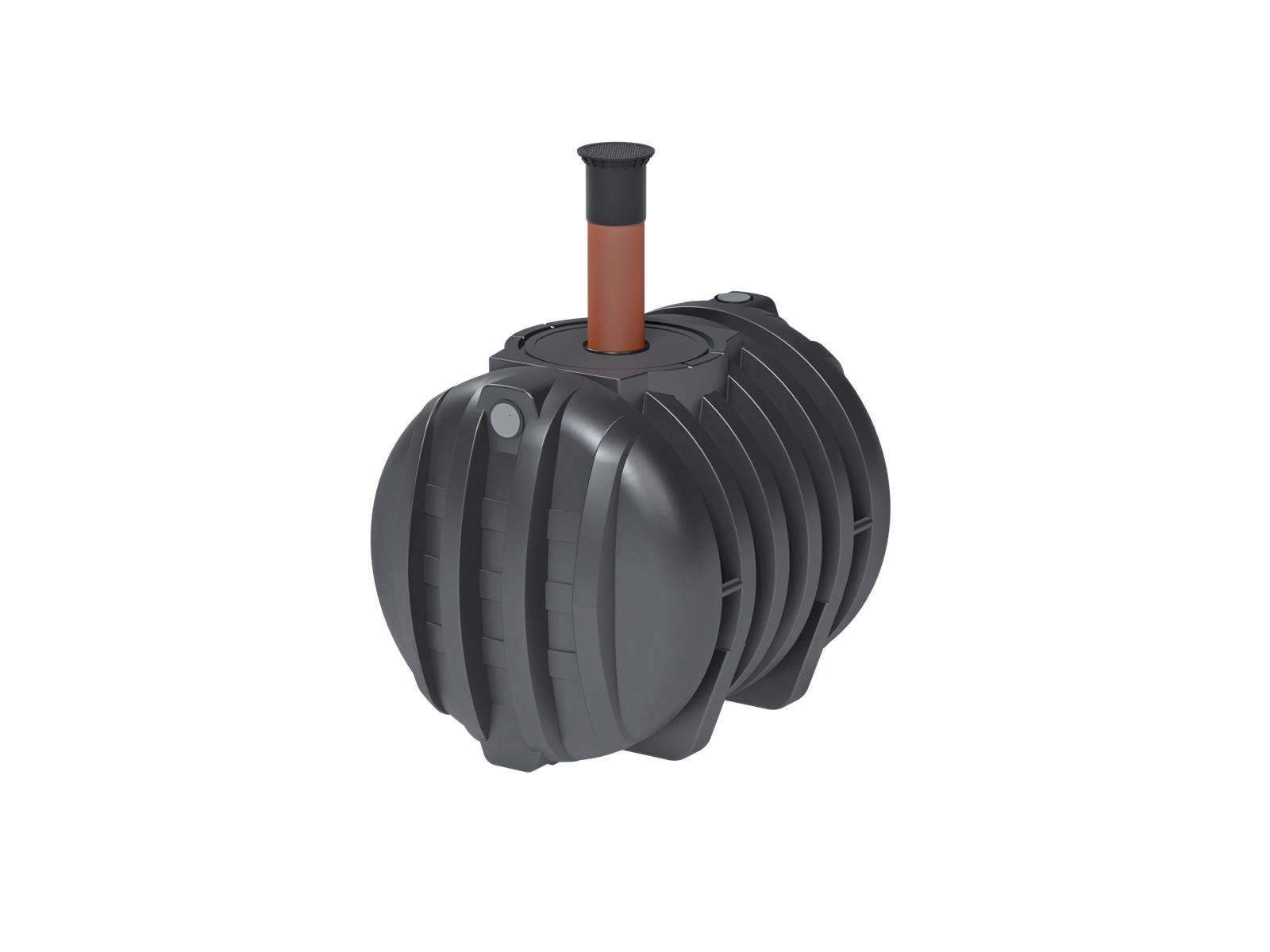
Roth Collection Pit 2000L PLUS including Shaft DN 300 and Lid
- Nominal capacity: 2000 litres
- Dimensions (L x W x H): 1750 x 1550 x 1550 mm
- Empty weight: 125 kg
- Closed collection pit with DIBt approval
- DN 100 inlet connection
Delivery time: 2-5 days
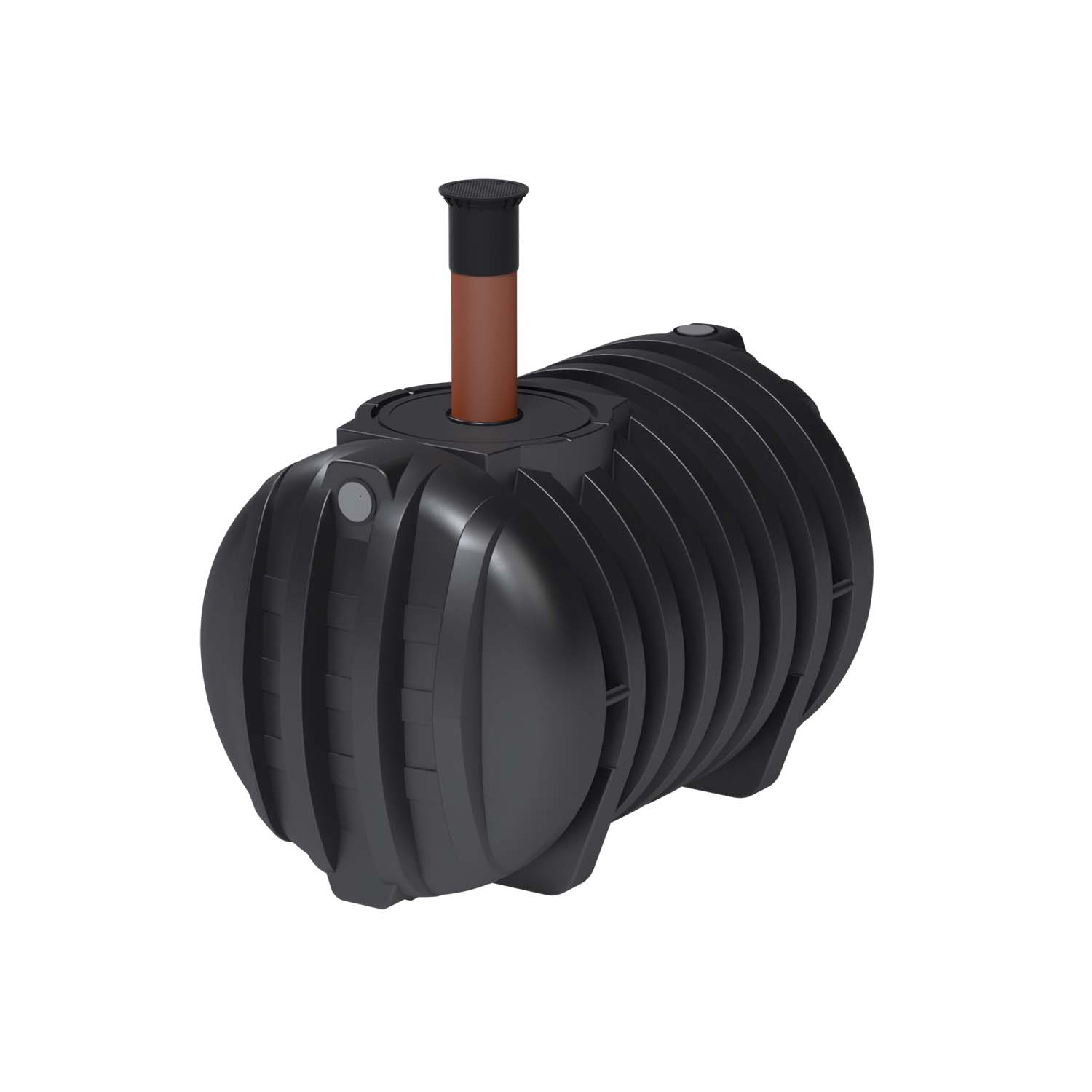
Collection Pit 3000L PLUS with Shaft DN 600 and Lid
- Nominal capacity: 3000 litres
- Dimensions (L x W x H): 2350 x 1550 x 1550 mm
- Empty weight: 175 kg
- Closed collection pit with DIBt approval
- DN 100 inlet connection
Delivery time: 2-5 days
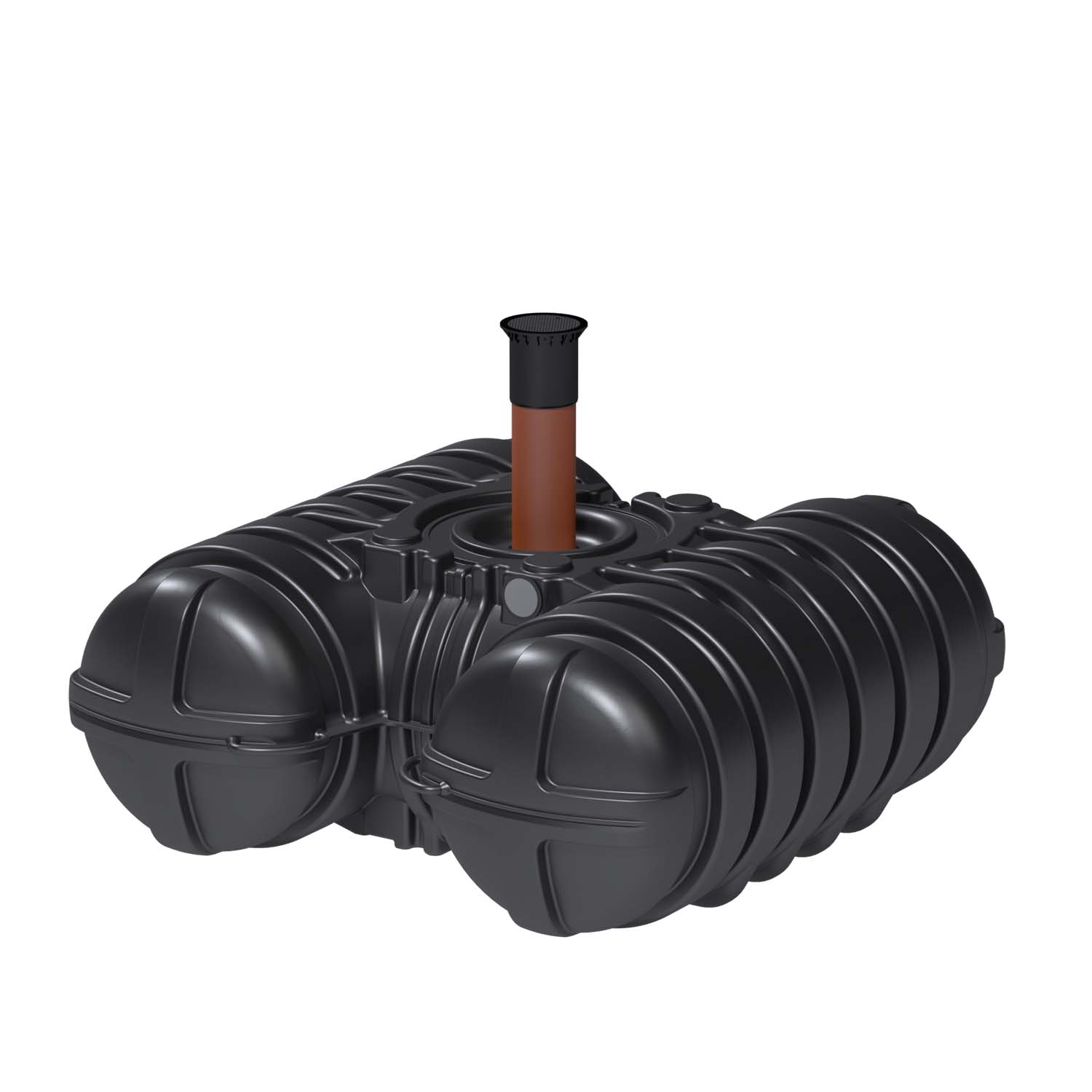
Collection Tank Twinbloc 3500 Liter with Shaft DN 200 or 600 and Lid by Roth
- Nominal capacity: 3500 litres
- Dimensions (L x W x H): 2350 x 2300 x 975 mm (without shaft)
- Empty weight: 180 kg
- Closed collection pit with DIBt approval made of PE
- DN 100 inlet connection
Delivery time: 2-5 days
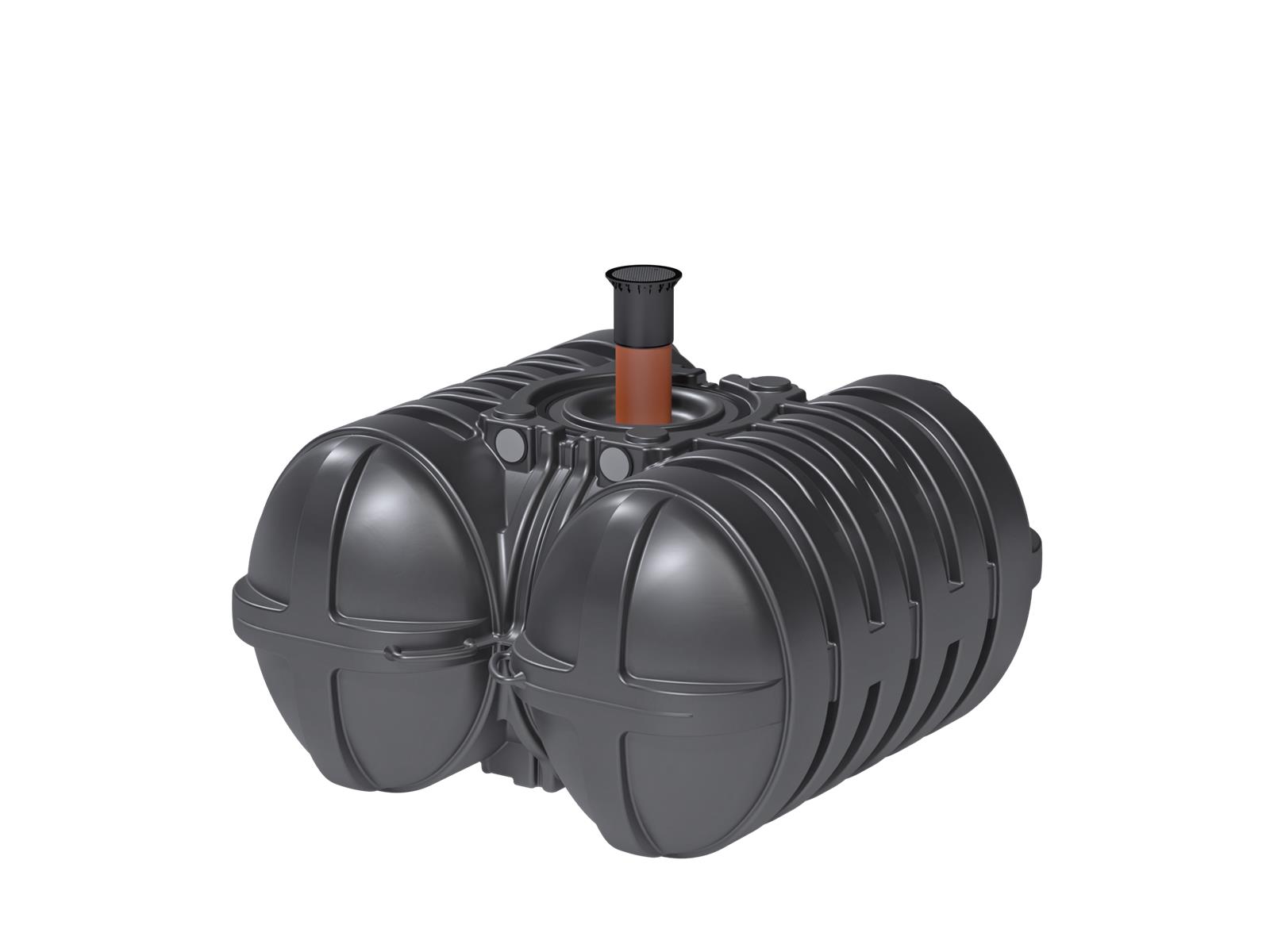
Roth Twinbloc 5000 Liter Wastewater Tank with DN600 Shaft and Lid Included
- Nominal capacity: 5000 litres
- Dimensions (L x W x H): 2460 x 2350 x 1350 mm
- Empty weight: 190 kg
- Closed waste water tank with manufacturer's certificate
- DN 100 inlet connection
Delivery time: 2-5 days
The right collection pit for your location
Which design is the right one?
Monobloc: one-piece, 900 L – for small installations with direct crane placement. Twinbloc: two-piece, 1500–5000 L – assembled on site, fits through narrow accesses. Round: cylindrical, 2000–3000 L – particularly pressure-stable against the ground. PLUS: rectangular-optimised, 2000–3000 L – shallower installation, efficient use of space. Decisive: the access route to the installation site and the available installation depth.
Which volume do I need?
As a rule of thumb: one person produces about 150–200 litres of wastewater per day. For a 4-person household without a sewer connection, that would be about 600–800 litres daily. With weekly emptying: at least 4200–5600 litres of usable volume. For holiday homes with less frequent use and emptying, a smaller tank may be sufficient. The official approval prescribes the minimum volume depending on the type of use.
DN 200 or DN 600 – which shaft?
DN 200: small shaft, sufficient for a suction hose and submersible pump – standard for most installations. DN 300: somewhat more access area for tools and inspection cameras. DN 600: large shaft, convenient access, recommended for deeply installed tanks, walk-in if required. The shaft height can be shortened at the factory and is adapted to the actual installation depth.
Installation – what should be considered?
Plastic collection pits are fully buried – the ground must be load-bearing, and the groundwater must not permanently reach the bottom edge of the tank. The tank is set down on a concrete bed and backfilled all around with lean concrete or suitable filling material. The shaft is aligned with the ground level. Installation and acceptance by a specialist company – many municipalities require an official acceptance.
Permit & regulations
The construction of a collection pit requires a permit in Germany – the responsible authority is the local building authority or the Lower Water Authority. The collection pit must be watertight, emptied regularly and must have no connection to the subsoil. Regulations: § 55 WHG (Water Resources Act), state water acts, AwSV and local municipal statutes. Before ordering, always clarify the official requirements at the location.
Emptying & operation
A collection pit must be emptied regularly by suction tanker – how often depends on the volume and the intensity of use. As a rule, the municipality prescribes a disposal contract with an approved disposal company. A level indicator or signal light on the shaft indicates in good time before overfilling that emptying is needed. Costs: about €150–400 per emptying depending on the region and volume.
Frequently asked questions about wastewater tanks & collection pits
The right collection pit for your location
Our specialist team advises you free of charge – on volume, design, shaft size and the official requirements at your location.
☎ Call +49 36071 924340 Request a quote