
Drinking-water tanks Roth building tanks & AquaBank® – 200 to 15,000 litres · KTW/DVGW · food-safe
Drinking-water tanks for hygienic and safe water storage – certified and food-safe. Two systems: Roth drinking-water tanks for stationary building installation (750–2000 L, certified to the KTW guideline and DVGW W270, green PE for narrow cellar rooms) and AquaBank® drinking-water tanks for trade and industry (200–15,000 L, UV-resistant, NIZP-PZH certificate, 5-year warranty).
Roth drinking-water tanks – for cellar installation
The Roth drinking-water tanks (750–2000 L) are designed for stationary above-ground installation in buildings – with a narrow footprint (720–730 mm wide), ideal for tight technical rooms and cellars. Made of single-grade, tested green PE – opaque to prevent algae growth. Certified to the KTW guideline (UBA) and DVGW code of practice W270.
AquaBank® – for trade, industry & outdoor installation
The AquaBank® drinking-water tanks (200–15,000 L) are designed for commercial use in industry, construction, trades and agriculture – UV-resistant for indoor and outdoor installation. Food-safe PE, certified with the NIZP-PZH certificate. 4" maintenance opening, 1" drain connection with ball valve, 5-year warranty on the tank.
Certifications – what they mean
Special requirements apply to drinking-water tanks: the material must not release any substances harmful to health into the water. The KTW guideline (plastics in the drinking-water sector) of the German Federal Environment Agency and the DVGW code of practice W270 govern the microbiological and chemical requirements in Germany. The NIZP-PZH certificate is the Polish food-safety certification. Both systems confirm the food suitability of the PE used.
Areas of use
Drinking-water tanks are used for: emergency water reserves in buildings (businesses, agriculture), construction sites without a water connection, mobile water supply for events, regions with fluctuating drinking-water supply, civil protection and emergency preparedness, and as buffer storage in food production and the trades.
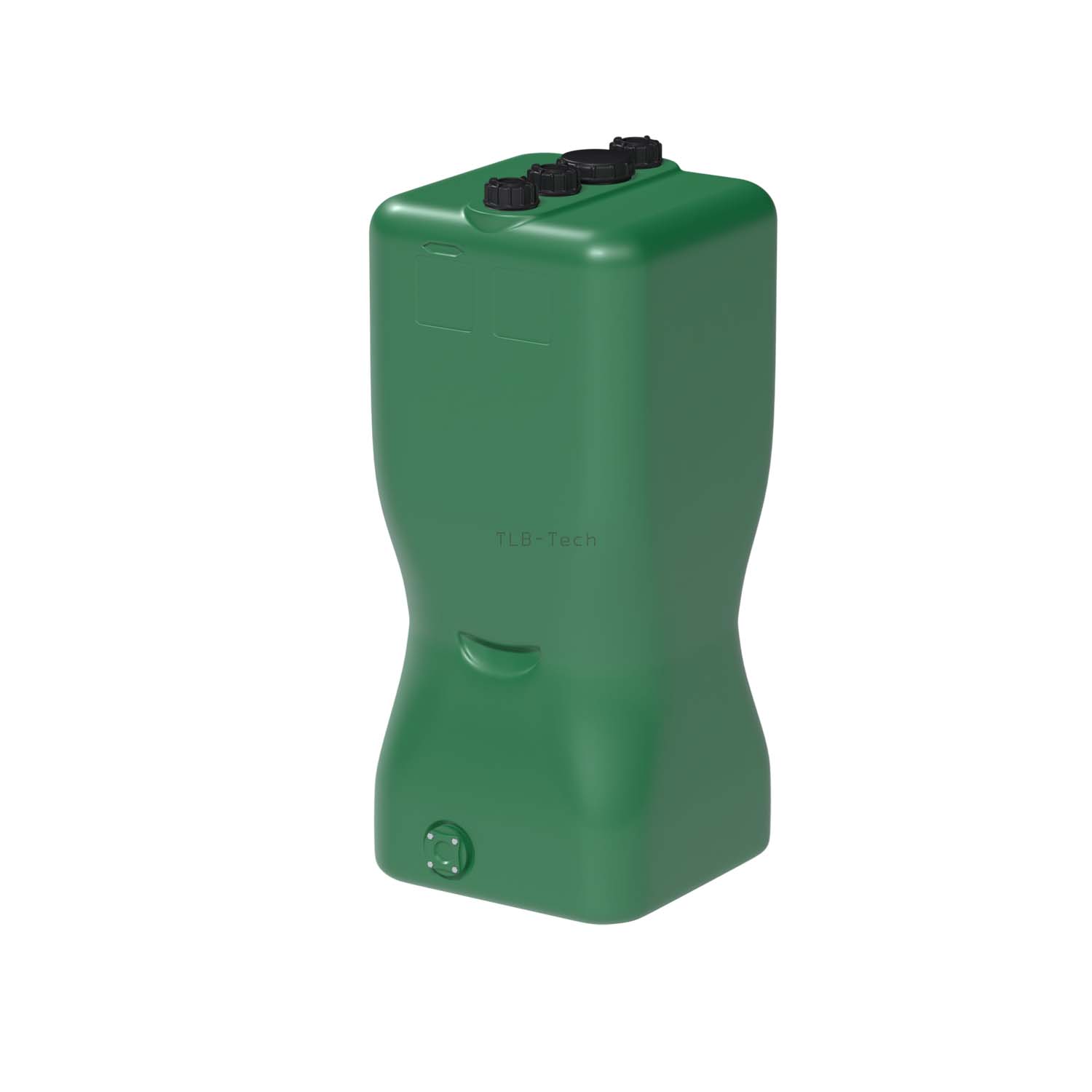
750-liter drinking water tank for indoor storage. 💧
- Container dimensions (LxWxH): 730 x 730 x 1660 mm
- Capacity: 750 liters of water
- Weight: 25 kg
- Access opening: Ø 150 mm
Delivery time: 2-5 days
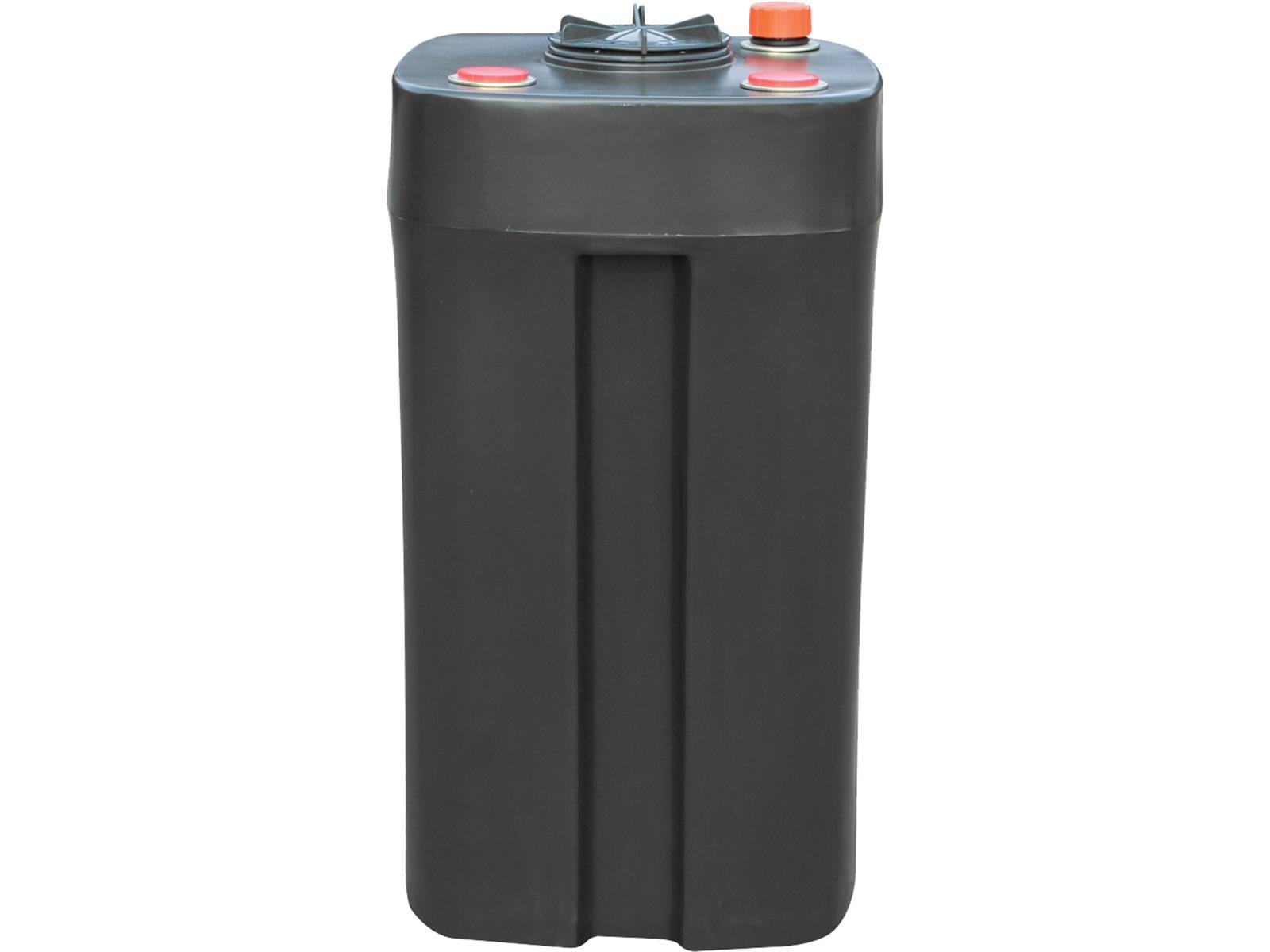
AquaBank® 200 L Above-Ground Drinking Water Tank
- Capacity: 200 liters
- Dimensions (LxWxH): 540 x 540 x 1010 mm
Delivery time: 2-5 days
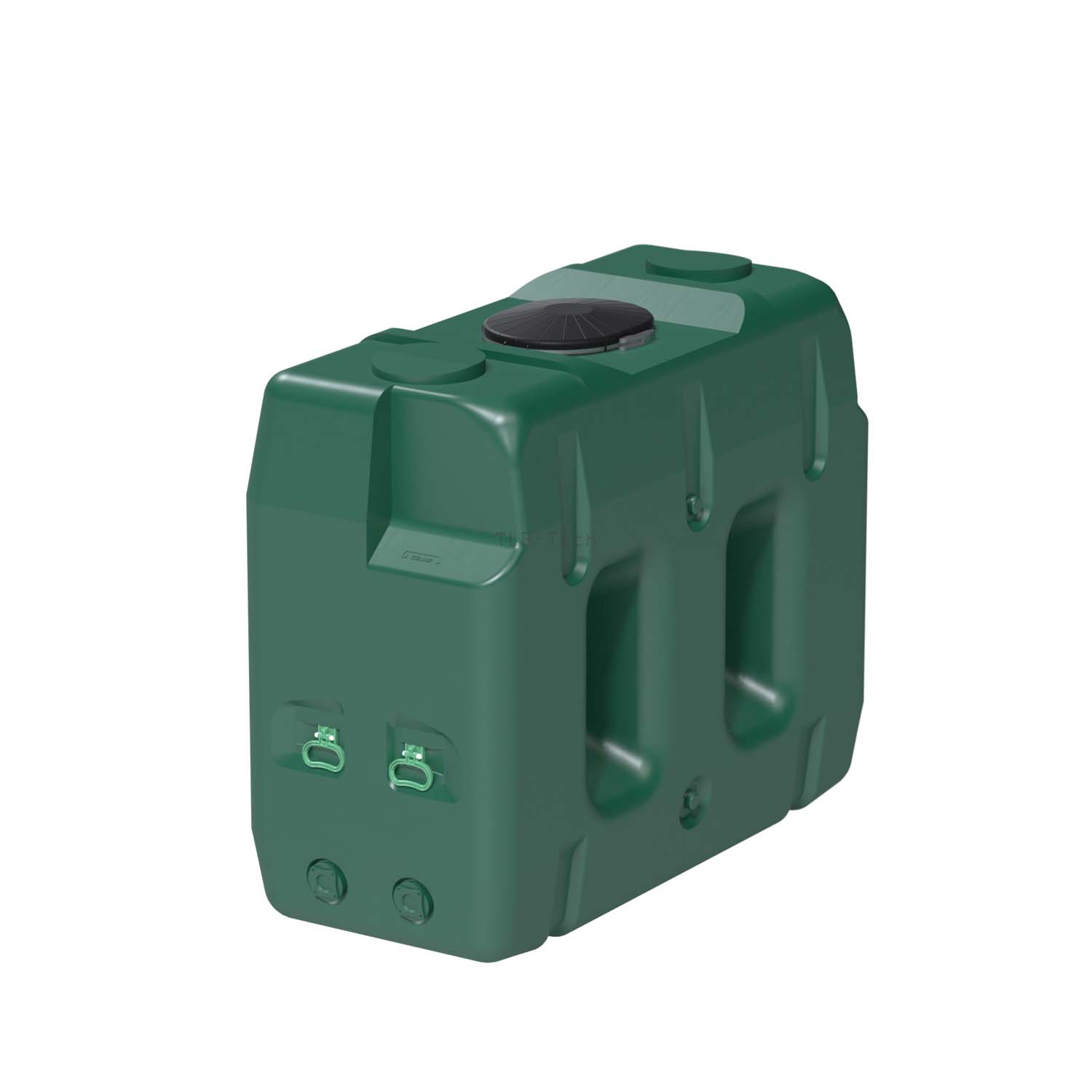
2000-Liter Rainwater Tank Industrial Storage Expansion Tank
- Expansion Storage
- Capacity: 2000 liters
- Container Dimensions (LxWxH): 2020 x 880 x 1650 mm
- Inspection Opening: Oval 500 x 400 mm
- Weight: 92 kg
- Material: Polyethylene
Delivery time: 2-5 days
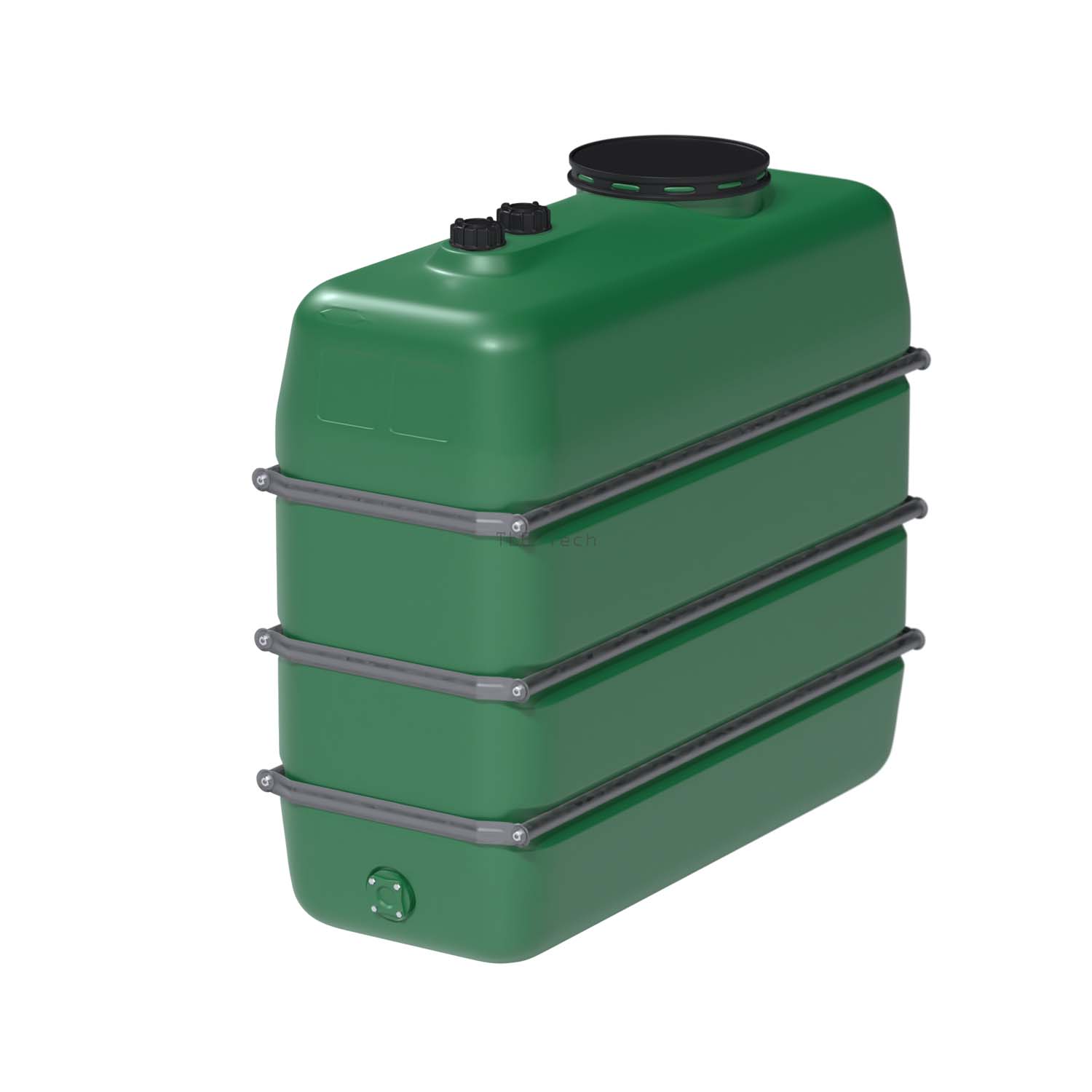
1500-liter drinking water tank for indoor storage. 💧🏠
- Capacity: 1500 liters
- Material: Certified polyethylene
- Dimensions (LxWxH): 1520 x 720 x 1605 mm
- Inspection opening: Ø 400 mm
Delivery time: 2-5 days
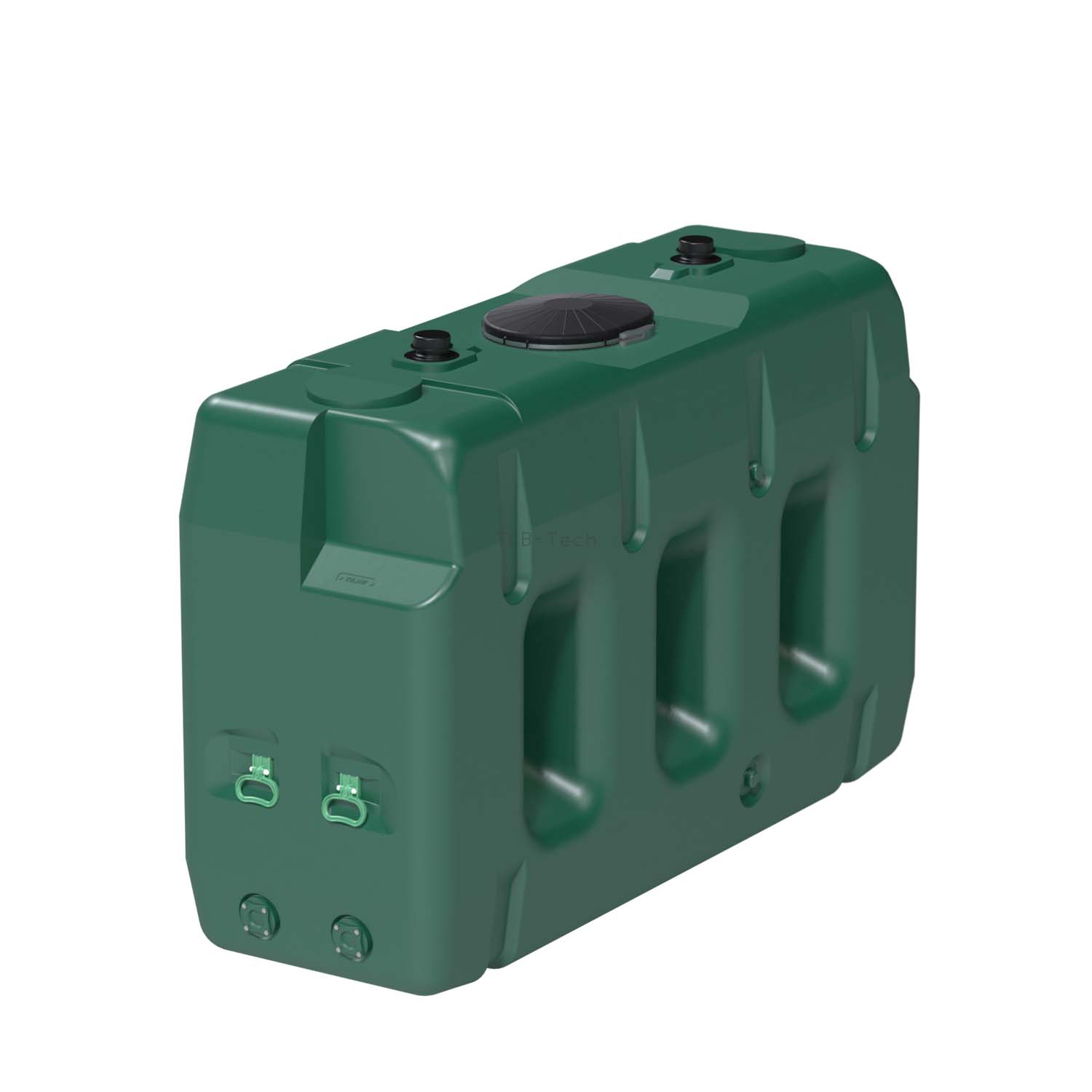
3000 Liter Rainwater Tank Industrial Storage Expansion Tank
- Expansion Tank
- Dimensions (LxWxH): 2630 x 880 x 1650 mm
- Volume: 3000 liters
- Weight: 122 kg
- Inspection Opening: oval 500 x 400 mm
Delivery time: 2-5 days
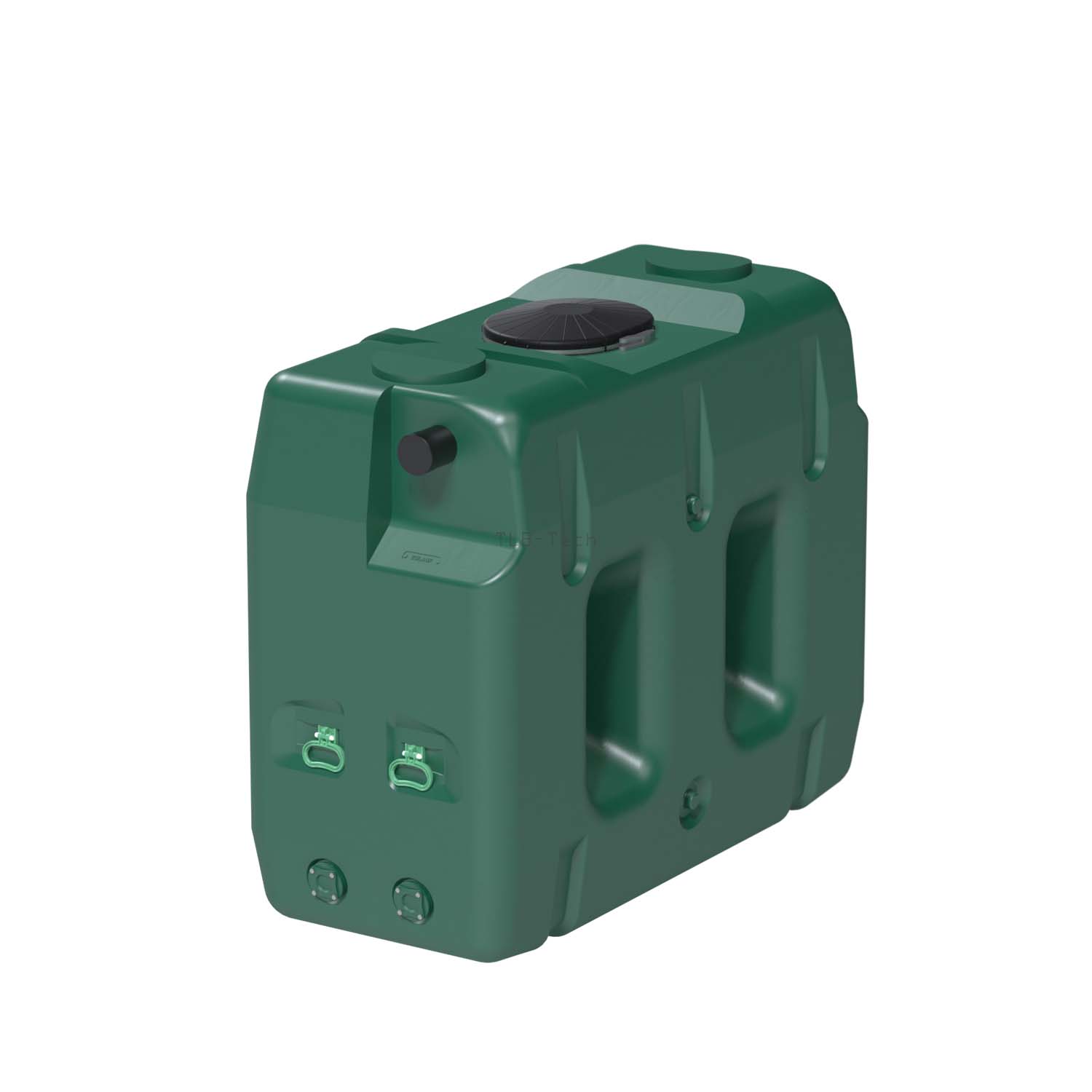
2000 Liter Industrial Rainwater Storage Tank Base
- Container Dimensions (LxWxH): 2020 x 880 x 1650 mm
- Volume: 2000 liters
- Inlet DN 100 with flow calming
- Inspection Opening: oval 500 x 400 mm
Delivery time: 2-5 days
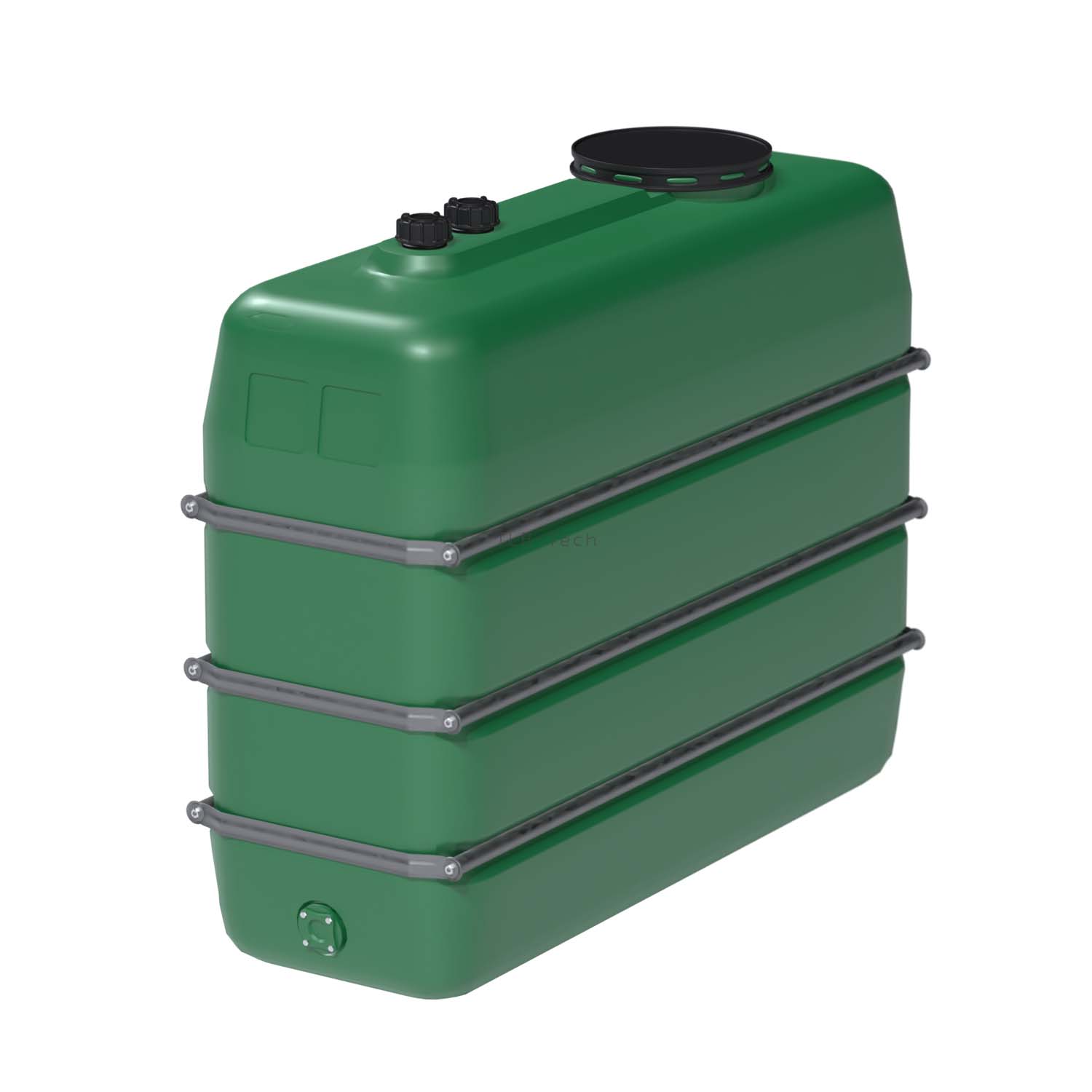
2000-liter drinking water tank for indoor storage. 💧🏠
- Container capacity: 2000 liters
- Container dimensions (LxWxH): 2050 x 720 x 1640 mm
- Material: Certified polyethylene for high drinking water quality
- Weight: 120 kg
Delivery time: 2-5 days
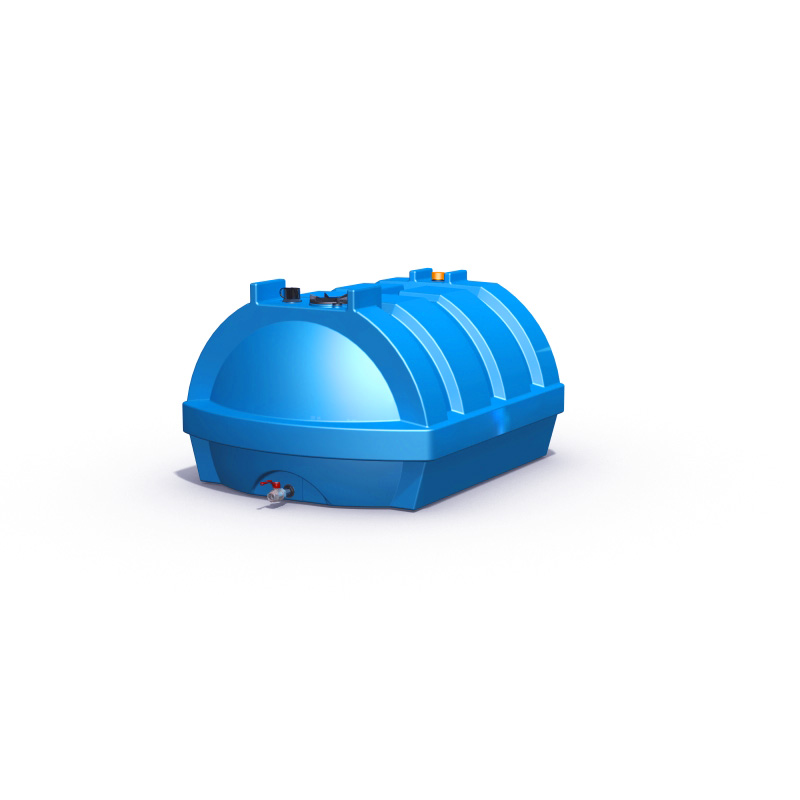
AquaBank® 1300 L Above-Ground Drinking Water Tank
- Capacity: 1300 liters
- Diameter: 1200 mm
- Height: 1400 mm
- Material: Polyethylene
Delivery time: 5-10 Tage
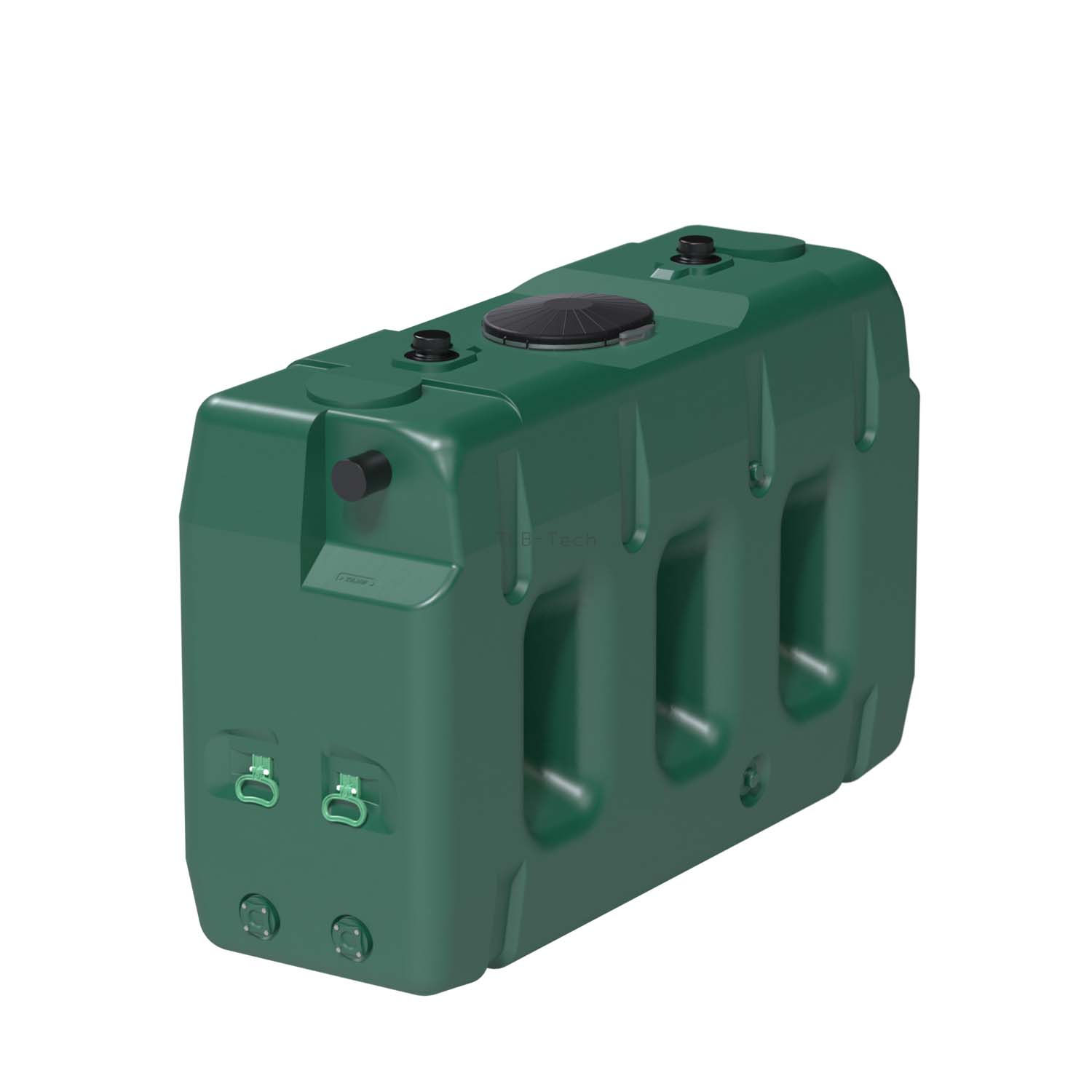
3000 Liter Rainwater Tank Industrial Storage Base
- Container Dimensions (LxWxH): 2630 x 880 x 1650 mm
- Volume: 3000 liters
- Inspection Opening: Oval 500 x 400 mm
- Inlet and Overflow Siphon: DN 100
Delivery time: 2-5 days
AquaBank® 1200 L Above-Ground Drinking Water Tank
- Capacity: 1200L
- Dimensions (LxWxH): 1720 x 1350 x 900 mm
- Material: High-quality polyethylene
- Maintenance Opening: 4" opening
Delivery time: 5-10 Tage
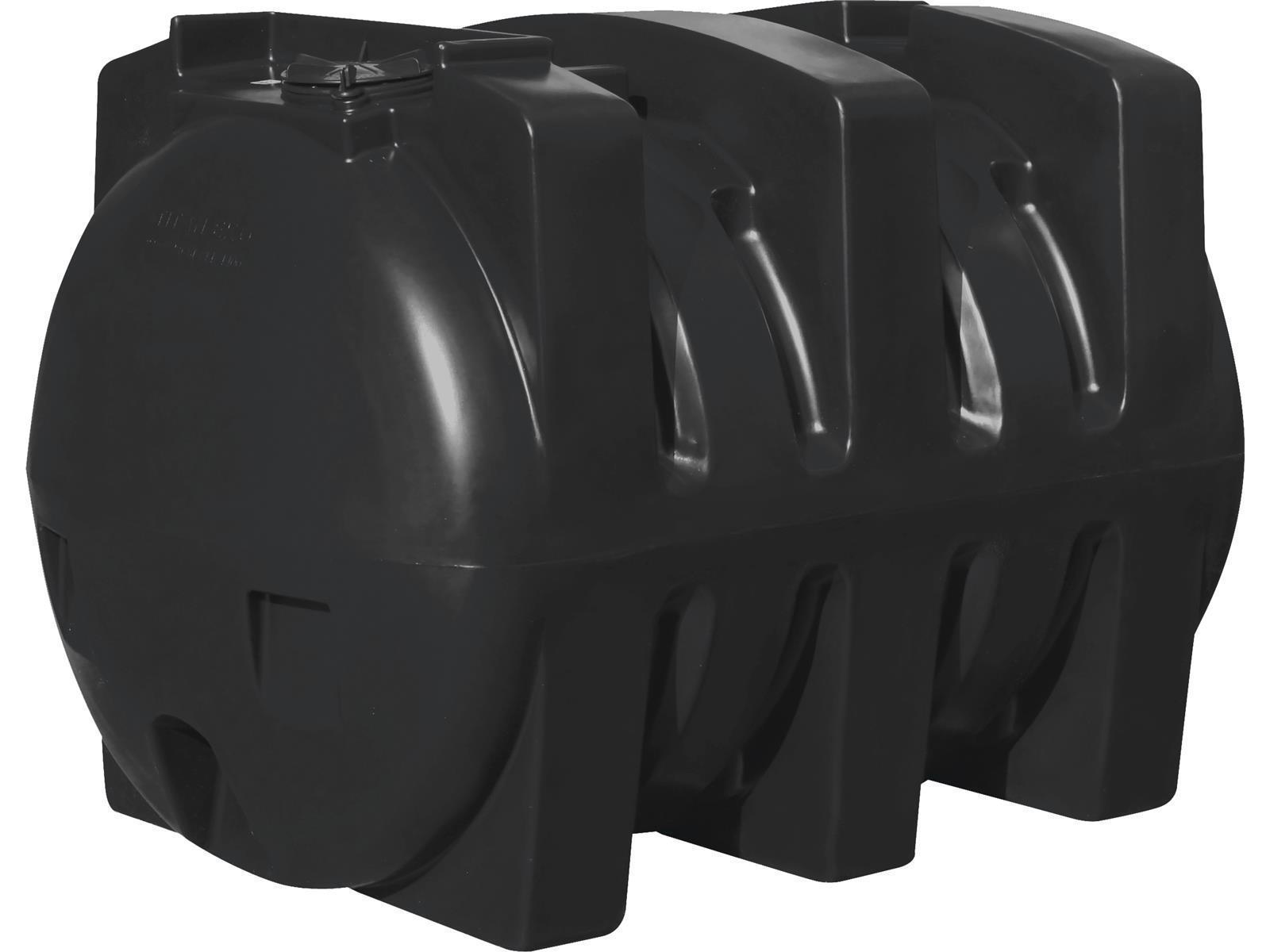
AquaBank 1200 L Above-Ground Drinking Water Tank for Commercial Use ✔️ Space-Saving & Durable
- Capacity: 1200 liters
- Dimensions (LxWxH): 1700 x 1070 x 1150 mm
- Material: Food-grade polyethylene
Delivery time: 5-10 Tage
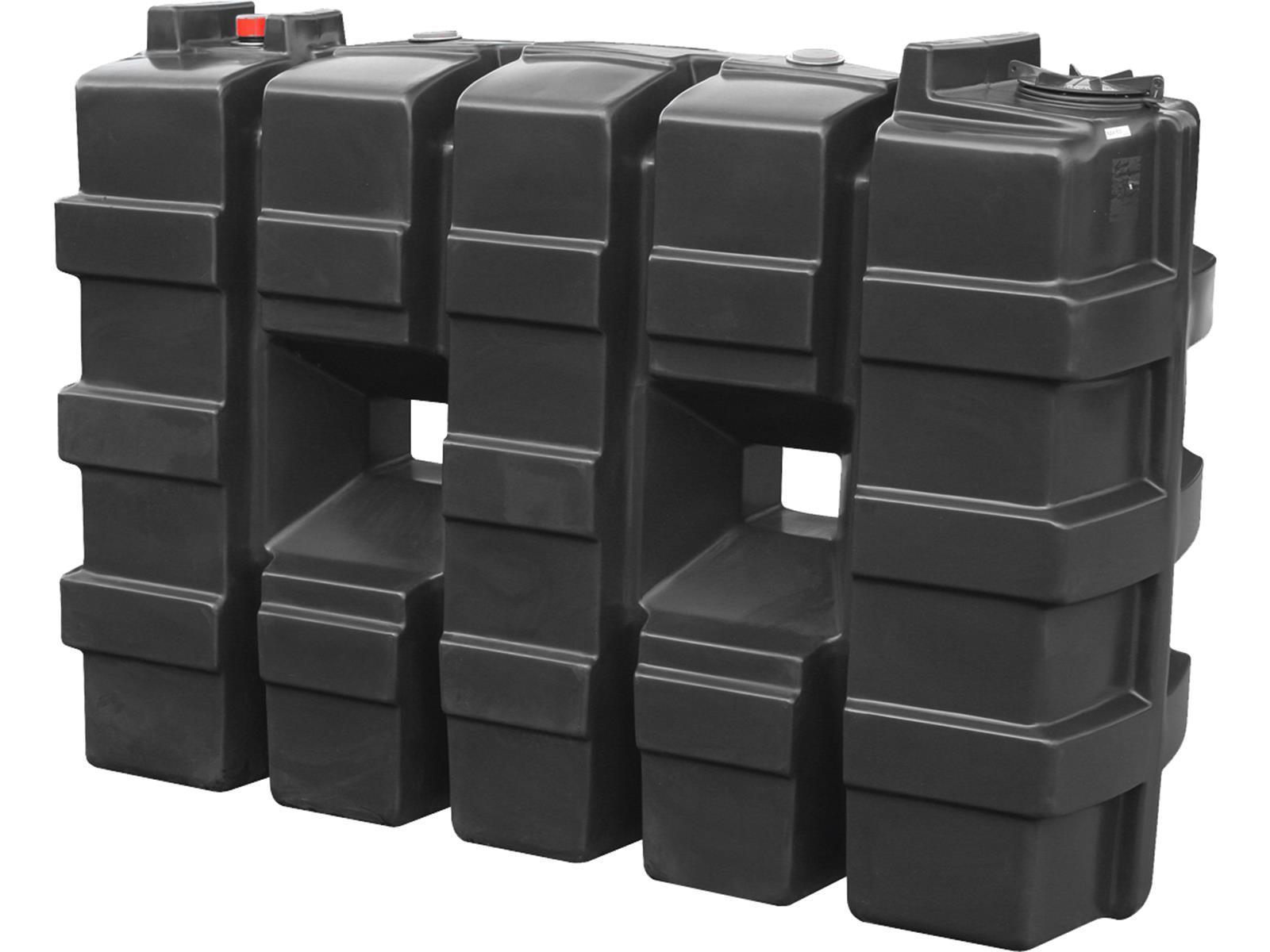
AquaBank® 1225 L Above-Ground Drinking Water Tank
- Capacity: 1225 liters
- Dimensions (LxWxH): 1780 x 760 x 1400 mm
Delivery time: 5-10 Tage
AquaBank® 1800 L Above-Ground Drinking Water Tank
- Capacity: 1800 liters
- Dimensions (LxWxH): 2150 x 1140 x 1150 mm
- Material: Polyethylene
Delivery time: 5-10 Tage
AquaBank® 1500 L Above-Ground Drinking Water Tank
- Capacity: 1500 liters
- Dimensions (LxWxH): 2100 x 750 x 1400 mm
- Material: Polyethylene
Delivery time: 5-10 Tage
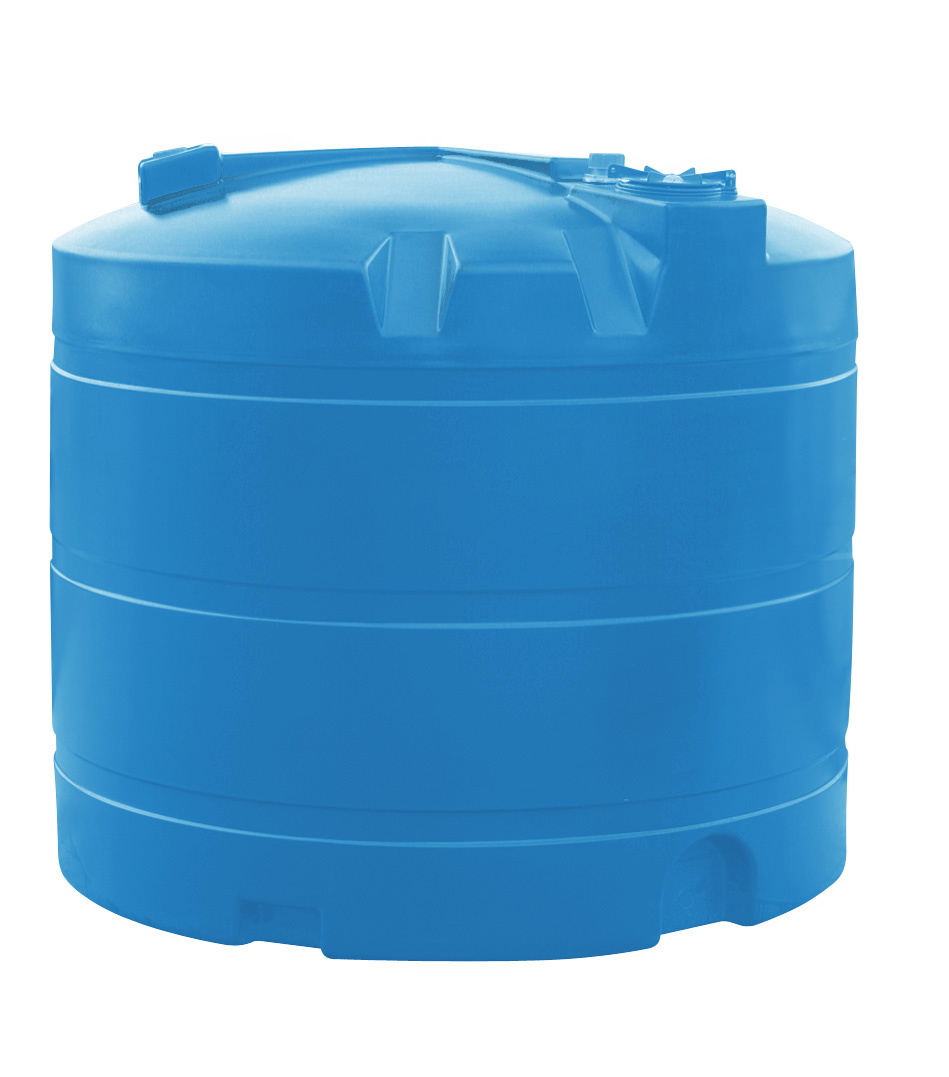
AquaBank® 2500 L Above-Ground Drinking Water Tank
- Capacity: 2500 liters
- Diameter: 1650 mm
- Height: 1500 mm
- Material: high-quality polyethylene, certified for food contact
Delivery time: 5-10 Tage
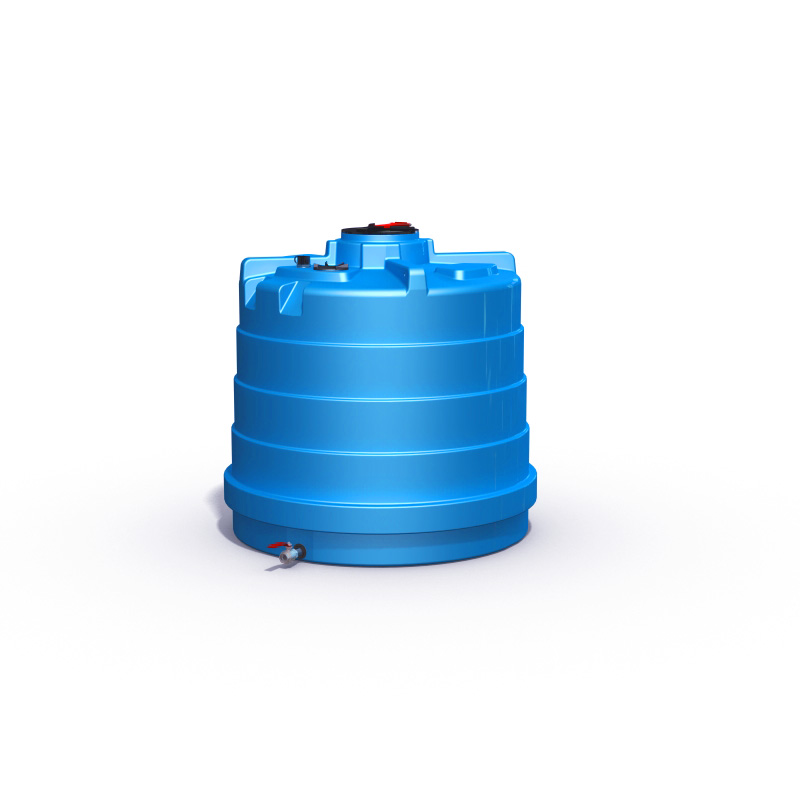
AquaBank® 3500 L Above-Ground Drinking Water Tank
- Capacity: 3500 liters
- Diameter: 1900 mm
- Height: 1800 mm
- Material: Polyethylene
Delivery time: 5-10 Tage
AquaBank® 2500 L Above-Ground Drinking Water Tank
- Capacity: 2500 liters
- Dimensions (LxWxH): 2280 x 1280 x 1340 mm
- Material: High-quality polyethylene
- Integrated maintenance opening with 4"
Delivery time: 5-10 Tage
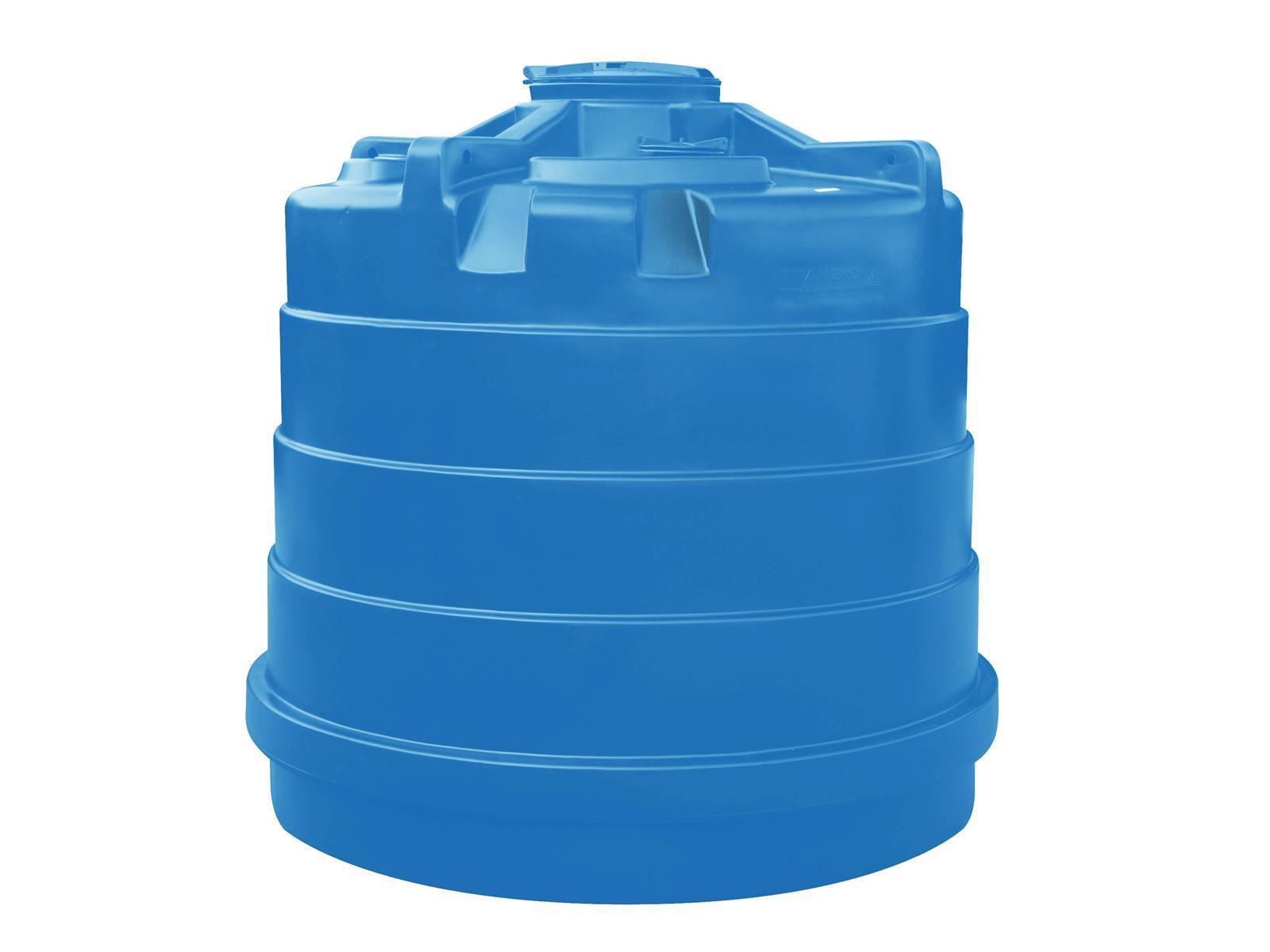
AquaBank® 5000 L Above-Ground Drinking Water Tank
- Capacity: 5000 liters
- Diameter: 2010 mm
- Height: 2300 mm
- Made from high-quality polyethylene
Delivery time: 5-10 Tage
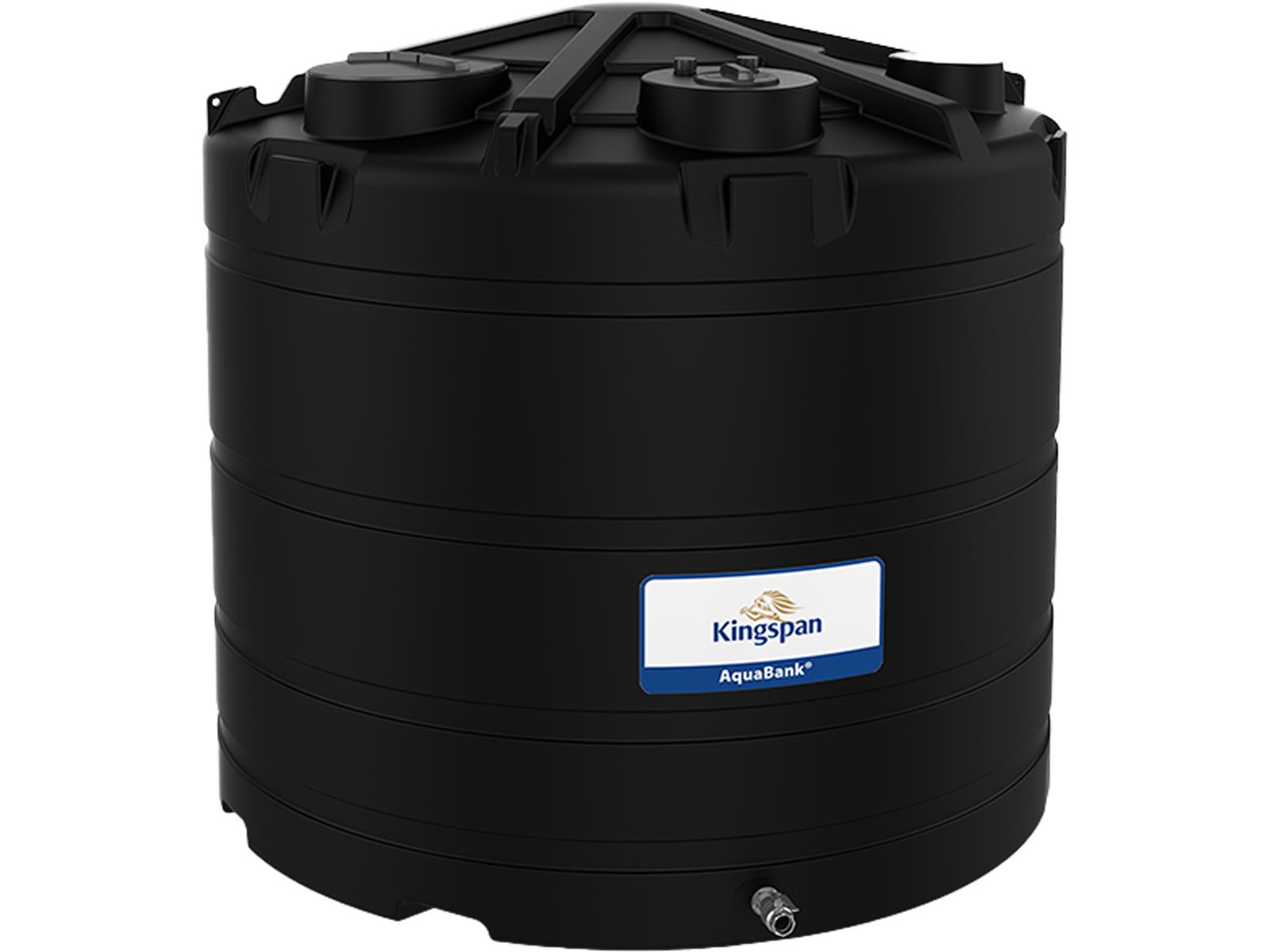
AquaBank® Large Capacity for Agriculture and Industry - 15,000 Liters
- Capacity: 15,000 liters
- Diameter: 2,950 mm
- Height: 2,750 mm
- Material: Polyethylene
Delivery time: 3-4 weeks
AquaBank® 4000 L Above-Ground Drinking Water Tank
- Capacity: 4000 liters
- Dimensions (LxWxH): 2970 x 970 x 2000 mm
- Material: Polyethylene
Delivery time: 5-10 Tage
AquaBank® 9000 L Above-Ground Drinking Water Tank
- Capacity / Volume: 9,000 liters
- Diameter: 2,300 mm
- Height: 2,900 mm
- Material: Polyethylene
Delivery time: 5-10 Tage
AquaBank® 15,000 L Above-Ground Drinking Water Tank
- Capacity: 15,000 liters
- Diameter: 2,950 mm
- Height: 2,750 mm
- Material: Polyethylene
Delivery time: 5-10 Tage
Choosing drinking-water tanks correctly – standards, material & use
Roth building tank or AquaBank®?
Roth building tank: narrow (720–730 mm), tall (1600–1650 mm), for tight cellars and technical rooms, stationary, indoor installation, up to 2000 L. Certified to the German standards KTW + DVGW W270. AquaBank®: a variety of shapes and sizes (200–15,000 L), UV-resistant for indoor and outdoor installation, commercially robust, international NIZP-PZH certification, 5-year warranty. For outdoor installation or volumes over 2000 L, always AquaBank®.
What does the KTW guideline mean?
The KTW guideline (plastics in the drinking-water sector) is the approval recommendation of the German Federal Environment Agency for plastics that come into contact with drinking water. Tested are: migration of chemical substances into the water, neutrality of odour and taste, and microbiological safety. A tank tested to KTW releases no substances harmful to health into the drinking water – a prerequisite for all drinking-water tanks used in Germany.
What does DVGW W270 mean?
The DVGW code of practice W270 tests whether the material encourages the growth of germs and biofilms. A W270-compliant material inhibits bacterial growth and ensures that the drinking-water quality is maintained even during longer storage. For stationary drinking-water tanks in Germany, this test is decisive.
How long can drinking water be stored?
In a clean, opaque, food-safe certified container, tap water can be stored for up to 6–12 months when kept cool (below 15°C). Heat and light encourage germ growth and considerably shorten the shelf life. The green colour of the Roth tanks and the opaque construction of the AquaBank® block light and prevent algae growth. For longer storage, check the water quality regularly and clean the container annually.
Connections & installation
The Roth building tanks have: a DN 100 connector on the end face, 2× 2" screw connection with female thread on top, flange connection on the bottom. The AquaBank® has: 4" maintenance opening, 2" threaded connector on top, 1" drain connection with ball valve, vent filter. For the pipe connection, shut-off valves and backflow preventers are always recommended. When used as an emergency water reserve, a simple submersible pump is often sufficient.
Do not use a drinking-water tank for rainwater
Drinking-water tanks and rainwater tanks must not be used interchangeably. A rainwater tank is not certified to KTW/DVGW W270 and is unsuitable for drinking water – even if it is made of similar PE. Separate pipe systems, clear labelling and separate tanks for drinking water and service water are mandatory under the TrinkwV.
Frequently asked questions about drinking-water tanks
The right drinking-water tank for your requirements
Our specialist team advises you free of charge – on volume, certification, installation location and the optimal solution for your drinking-water storage.
☎ Call +49 36071 924340 Request a quote